
Uninhabitable Properties and Stamp Duty Land Tax
Could You Be Entitled to an SDLT Refund?
Buying a property that requires major renovation can be an excellent investment opportunity. However, many buyers are unaware that purchasing a property that is genuinely uninhabitable may affect the amount of Stamp Duty Land Tax (SDLT) payable and, in some cases, could result in a substantial refund.
At Folkes Worton, we help property investors, landlords, developers and homeowners understand complex SDLT rules and identify opportunities to reduce unnecessary tax costs.
What Is an Uninhabitable Property?
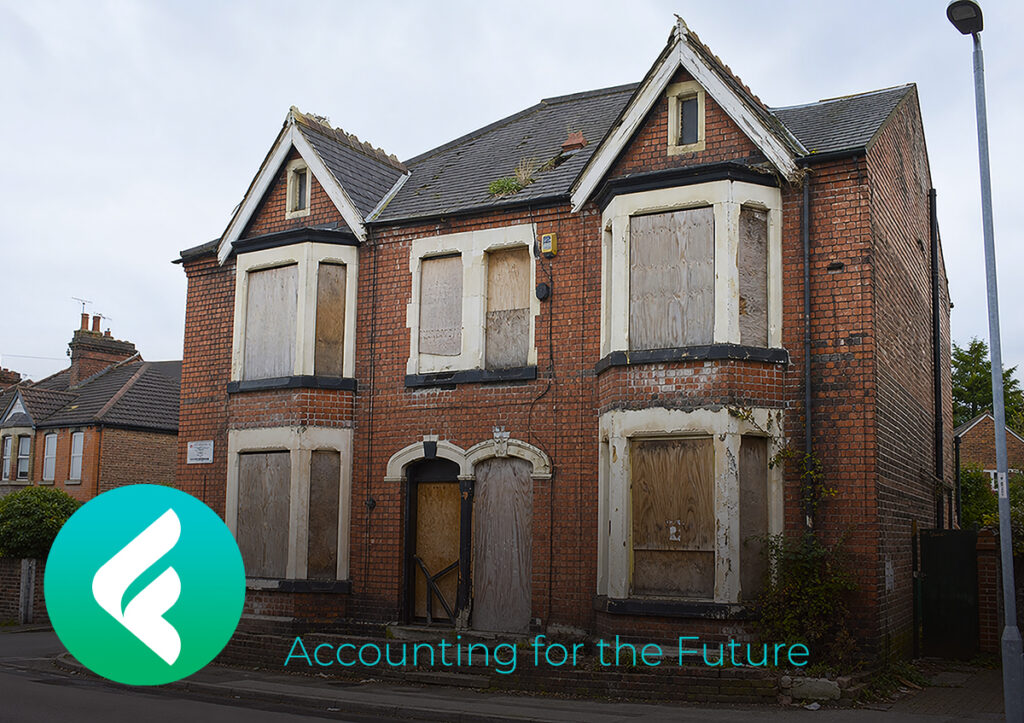
An uninhabitable property is a building that is not suitable for occupation as a residential dwelling at the date of purchase.
This goes beyond cosmetic issues or outdated décor. A property may be considered uninhabitable where it has serious defects that make it unsafe or impossible to live in.
Examples include:
- Severe structural damage
- Dangerous levels of asbestos
- Missing heating systems
- Lack of running water or drainage
- Significant fire or flood damage
- No functional kitchen or bathroom
- Long-term abandonment and deterioration
- Serious health and safety hazards
The key factor is whether the property could reasonably be occupied as a home on the date the transaction completed.
Why Does Habitability Matter for SDLT?
Stamp Duty Land Tax is usually charged based on whether a property is considered residential or non-residential.
Where a property is deemed unsuitable for use as a dwelling, different SDLT treatment may apply. In certain circumstances, this can result in significantly lower SDLT liabilities compared to standard residential rates.
For property investors and developers purchasing buildings that require substantial redevelopment, understanding this distinction can lead to considerable tax savings.
What Makes a Property Habitable?
HMRC generally expects a residential property to contain the essential elements required for everyday living.
These typically include:
A property should offer facilities for preparing food, with the appropriate infrastructure and utilities in place.
A usable bathroom should normally include a toilet, handwashing facilities and bathing or showering facilities.
There should be a suitable space for everyday living activities that is safe and useable.
The property should provide an area suitable for sleeping and residential occupation.
Access to heating, electricity and water will often be important factors when assessing habitability.
A property should offer facilities for preparing food, with the appropriate infrastructure and utilities in place.
A usable bathroom should normally include a toilet, handwashing facilities and bathing or showering facilities.
There should be a suitable space for everyday living activities that is safe and useable.
The property should provide an area suitable for sleeping and residential occupation.
Access to heating, electricity and water will often be important factors when assessing habitability.
A property that simply requires refurbishment, redecoration or modernisation will not necessarily be considered uninhabitable. The threshold is considerably higher.
Renovation Projects vs Uninhabitable Properties
Many buyers mistakenly assume that any ‘fixer-upper’ qualifies as uninhabitable.
In reality, HMRC and the courts apply a strict test.
A property that needs:
- New carpets
- Updated kitchens
- Modern bathrooms
- Redecoration
- New windows
may still be perfectly habitable.
To qualify as uninhabitable, the issues generally need to be so serious that a person could not reasonably live in the property without substantial remedial work.
The Importance of the Purchase Date
When assessing SDLT, the property’s condition is considered at the effective date of the transaction, which is usually the completion date.
This means:
- Previous occupancy is not decisive.
- Future renovation plans are not decisive.
- The property’s actual condition at completion is what matters most.
Documentary evidence is therefore critical when making any SDLT claim involving habitability.
Evidence That May Support an SDLT Claim
If you believe a purchased property was uninhabitable, supporting evidence may include:
- Surveyor reports
- Structural engineering reports
- Photographs taken before completion
- Contractor assessments
- Environmental reports
- Asbestos surveys
- Utility disconnection records
- Building control documentation
The stronger the evidence, the greater the likelihood of a successful claim.
Could You Be Due an SDLT Refund?
If you purchased a property within the last few years and paid SDLT based on residential rates, it may be worth reviewing the transaction.
Potential indicators include:
- The property had no working heating system.
- The kitchen or bathroom was unusable.
- Significant structural defects existed.
- The property had been abandoned for a long period.
- Dangerous materials such as asbestos prevented occupation.
- Major repairs were required before anyone could live there.
Every case depends on its individual facts, but many property owners are surprised to discover they may have overpaid SDLT.
How Folkes Worton Can Help
Determining whether a property was genuinely uninhabitable requires detailed analysis of both the facts and current SDLT legislation.
At Folkes Worton, our tax specialists can:
- Review historic property transactions
- Assess SDLT liabilities
- Identify potential refund opportunities
- Provide technical tax advice
- Support claims with robust evidence
Whether you are a property investor, landlord, developer or homeowner, obtaining professional SDLT advice could result in significant savings.
Speak to Folkes Worton
If you have purchased a property that required substantial renovation or was unfit for occupation at the time of purchase, our team can help determine whether an SDLT refund or reassessment may be available.
Contact us today on 01384 376 964 for an expert review of your property transaction and discover whether you could reclaim overpaid Stamp Duty Land Tax.
Folkes Worton LLP Chartered Accountants
Accounting for the Future